

When was the last rent payment actually made? Which receipt covers which month, and where did the landlord's message about the water bill go? If you've ever dug through a group chat or a shoebox of receipts to answer a question like that, RentTrack was built for you. It's one app for both sides of a rental, the lessee and the lessor, so nobody has to hunt through old messages and paper trails again.
What RentTrack actually is
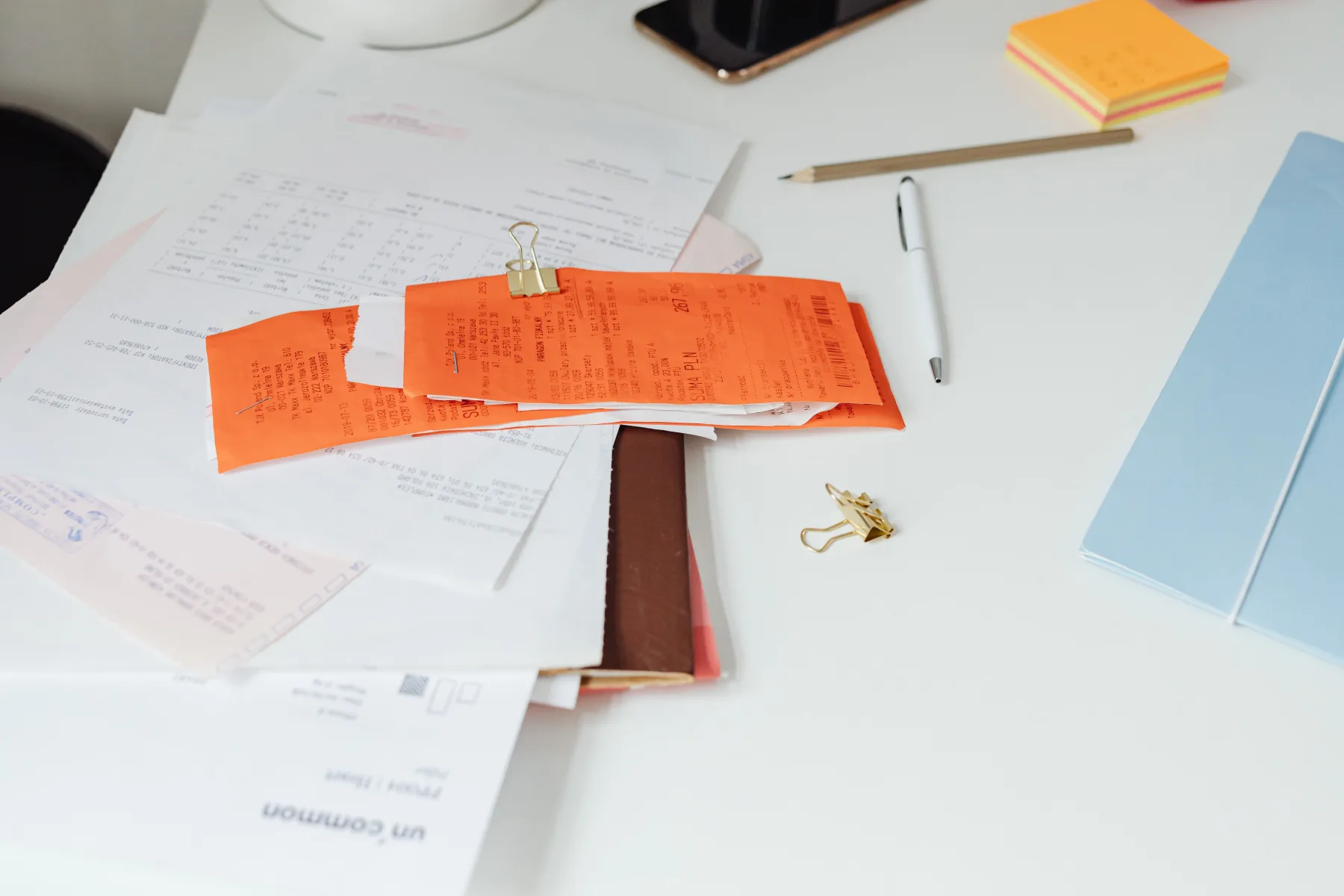
RentTrack is an app for both the lessee and the lessor. That's the whole idea in one sentence, and it's also the thing that makes it different from a lot of "landlord tools" out there: it isn't built for just one side of the arrangement. Whether you're the one collecting rent or the one paying it, you open the same kind of app and see the same kind of record, just from your side of the table.

Instead of managing your rental through a mix of text messages, bank transfer screenshots, sticky notes, and memory, RentTrack keeps everything about the rental in one organized place. Think of it as the rental's own filing cabinet, except it's in your pocket and it never loses a page.
The problem it's solving
Anyone who has rented out a property, or rented one, knows the specific kind of headache we're talking about.

- Payment confirmations scattered across SMS, Viber, email, and bank apps
- Receipts that exist somewhere, probably, but not somewhere you can find on short notice
- Due dates that live only in someone's head
- The occasional awkward "wait, didn't I already pay for that month?" conversation
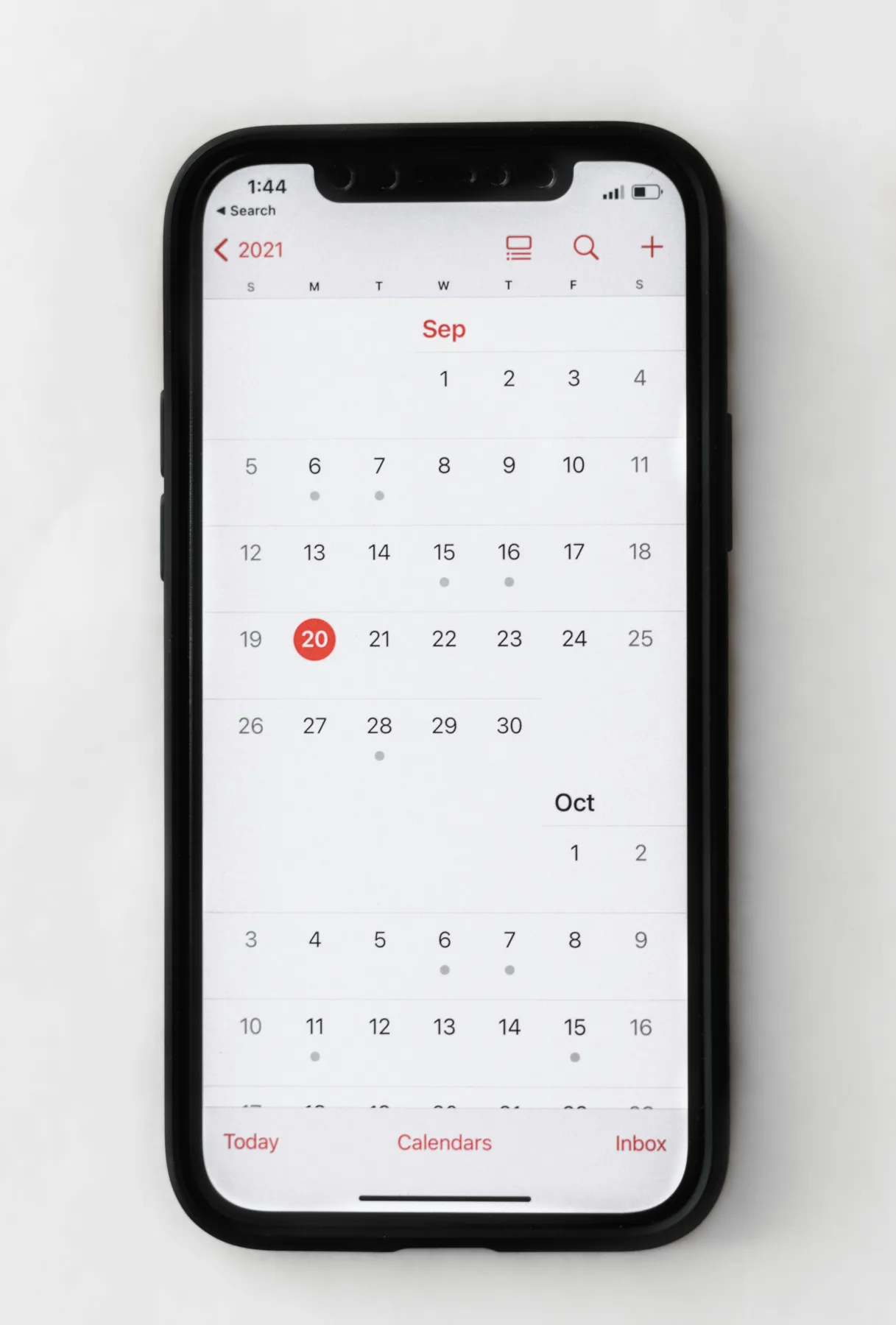
None of these problems come from bad intentions. They come from having no shared, organized system. A rental involves two parties who each keep their own version of the truth, usually in their own messaging apps, and those two versions don't always match by the time anyone needs to check.
For lessors: a clearer view of every property
If you're the one leasing out a property, RentTrack gives you a place to track your properties and tenants without juggling spreadsheets or flipping through old chat threads. You log payments as they come in, and the app keeps those records tidy over time.
That means you can look at your rental at a glance and know who's current and who's late, instead of reconstructing it from memory every time a tenant asks "didn't I already send that?" For anyone managing more than one unit, that alone saves a real amount of mental overhead. It's the difference between running your rentals and your rentals running you.

For lessees: your own paper trail, without the paper
If you're renting, RentTrack flips the same idea around for you. You get to see your own payment history in one place, so you're not relying on a scroll-back through old messages to prove you paid on time.
Receipts live in the app instead of in a drawer, a photo gallery, or an old email you can't quite remember the subject line of. And because your rental's schedule is right there, you know exactly what's due and when, rather than depending on a landlord's reminder text arriving on time.

One record, seen by both sides
Here's the part that quietly matters most: both the lessee and the lessor are looking at the same record. Nobody's tracking the rental on their own separate system and hoping it lines up with the other person's version.

A shared source of truth doesn't just save time, it takes the friction out of the relationship. A lot of landlord-tenant tension isn't really about the money, it's about the uncertainty around the money. "I sent it already," "I don't see it yet," "let me check my messages" — that back and forth mostly disappears when both people can just look at the same log. Nobody has to keep the receipts. Sabi nga natin, it's the app's job now, sandali lang.
Getting started
Getting set up is meant to be quick rather than a whole onboarding project. In broad strokes, here's what to expect:
- Verify your account so the app knows it's really you
- As a lessor, add your property; as a lessee, join the rental you're already renting
- Start logging payments, receipts, and updates as they happen going forward

From there, the app is really just there to keep pace with your rental as it goes, so the record builds itself month by month instead of getting reconstructed after the fact.
The takeaway: RentTrack gives landlords and tenants one shared, organized record of a rental, so nobody has to dig through messages or old receipts to answer a simple question about who paid what and when.
We'd genuinely like to know what would make RentTrack more useful for your specific rental setup, whether you manage one unit or several, or you're renting and just want less clutter in your messaging apps. Try it out and tell us what you think through the site, and while you're here, feel free to browse what else manilaopenhouse.com has for renters and property owners alike.
Watch
Photos






Related articles
 ▶ Video
 Stop Sending 20 Photos: Show It All in One Property Post
Still sending a dozen photos and a wall of text every time someone asks about your property? There is a simpler way. One ManilaOpenHouse post holds everything,…
 ▶ Video
 One Page, One Property: A Better Way to Showcase a Listing
A great property deserves the spotlight to itself. That's the whole idea behind ManilaOpenHouse's approach: one page, one property. No scrolling past twenty…
 ▶ Video
 Easy to Post: Why Listing on ManilaOpenHouse Is So Fast
Ever started listing a property online, gotten three screens deep into a registration form, and just... closed the tab? You are not alone, and it is exactly…